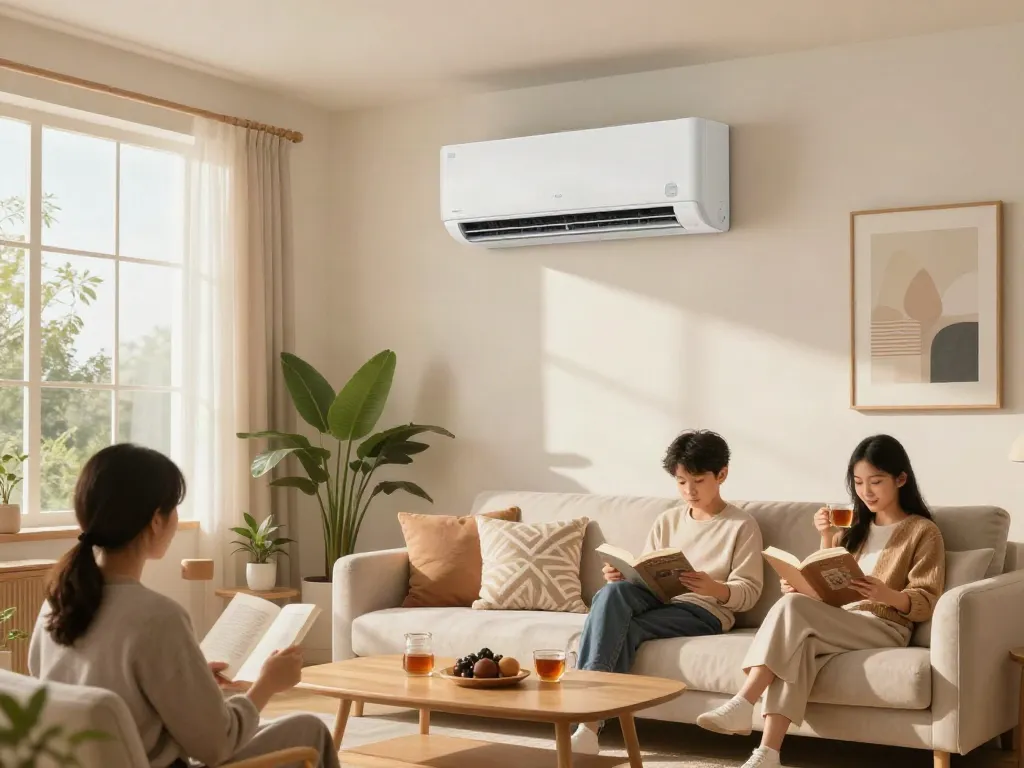
Understanding Ductless Air Conditioners
Ductless air conditioners, also known as mini-split systems, have gained popularity as versatile cooling and heating solutions for both residential and commercial buildings. Their unique design eliminates the need for ductwork, making them an ideal choice for spaces where traditional HVAC systems may not be feasible or cost-effective. These systems offer flexibility in installation, energy efficiency, and climate control, tailored to meet varying needs. When exploring options, ductless air conditioner solutions provide comprehensive insights into their advantages and performance.
What is a Ductless Air Conditioner?
A ductless air conditioner is a type of HVAC system that cools and heats a room without the extensive ductwork required by conventional systems. Comprised of two main components—a wall-mounted indoor unit and an external condenser—this system allows for direct delivery of conditioned air into individual rooms or zones. In essence, ductless systems enable precise temperature control while minimizing energy loss associated with ducted systems.
How Does a Ductless Air Conditioner Work?
Operating on the principles of heat exchange, a ductless air conditioner absorbs heat from the indoor air, transferring it to the refrigerant which is then sent to the outdoor unit. Here, the heat is expelled into the outside environment, cooling the air that is then circulated back into the indoor space. The inverter technology employed in many modern ductless units allows them to adjust their output based on the current temperature needs, creating a more energy-efficient operation.
Benefits of Choosing Ductless Systems
- Energy Efficiency: Ductless air conditioners typically boast higher SEER (Seasonal Energy Efficiency Ratio) ratings compared to central systems, leading to lower energy bills.
- Flexibility: They allow for zoned heating and cooling, meaning different rooms can be set to different temperatures based on usage.
- Easy Installation: Without the need for ductwork, installation can be quicker and less invasive than traditional systems.
- Improved Air Quality: Ductless systems often come with built-in filtration, helping to reduce allergens and improve overall air quality.
Installation Considerations for Ductless Air Conditioners
Proper installation is critical to the performance and longevity of a ductless air conditioner. Understanding the requirements and considerations can lead to a more efficient and effective installation process.
Hiring a Professional vs. DIY Installation
While some may consider DIY installation as a cost-saving option, the complexity of refrigerant handling and electrical connections makes hiring a professional highly recommended. Professionals ensure that the system is installed correctly, complying with local codes and maximizing efficiency.
Common Installation Mistakes to Avoid
- Improper Sizing: Selecting a unit that is too small or too large can lead to inefficiencies and higher energy costs.
- Incorrect Placement: Indoor units should ideally be placed to ensure optimal airflow and comfort, avoiding obstructions and corners.
- Neglecting Electrical Needs: Ensuring the electrical circuit can support the new system is crucial for safety and proper function.
Essential Tools and Equipment for Installation
For those who do opt for DIY installation, having the right tools is essential. Commonly needed tools include:
- Drill and drill bits
- Level
- Pipe wrenches
- Refrigerant gauge set
- Vacuum pump
Energy Efficiency and Cost Savings
One of the major benefits of ductless air conditioners is their impressive energy efficiency, which translates to significant savings on utility bills over time.
Comparing Ductless Air Conditioners with Central Systems
While central air conditioning systems require a lot of energy to cool an entire home, ductless systems allow you to target specific rooms. This zoned approach means you’re not wasting energy on unused spaces, resulting in lower energy costs.
Understanding Energy Ratings and Efficiency
When comparing ductless air conditioners, pay attention to their SEER ratings. Systems with higher SEER ratings will consume less energy than those with lower ratings, leading to long-term savings. Additionally, Energy Star-rated units are a great choice for those looking to minimize environmental impact.
Long-term Savings and Environmental Benefits
Investing in a ductless air conditioner can provide long-term savings, as these systems typically last longer than traditional HVAC units—often exceeding 20 years with proper maintenance. Their efficiency not only lowers energy bills but also contributes to reduced greenhouse gas emissions.
Maintenance Tips for Ductless Air Conditioners
Regular maintenance is essential for keeping your ductless air conditioner operating efficiently and effectively.
Regular Maintenance Routines to Follow
- Clean or replace air filters every 1-3 months, depending on usage.
- Check and clean the outdoor unit to ensure unobstructed airflow.
- Schedule annual professional maintenance to inspect refrigerant levels and system functionality.
Signs Your Ductless Air Conditioner Needs Service
Be on the lookout for any changes in performance, such as weak airflow, unusual noises, or increased energy bills, as these may indicate service is needed. If you notice any of these signs, it’s advisable to consult a professional technician.
Tips for Extending the Life of Your System
- Keep the outdoor unit free of debris and vegetation.
- Ensure the indoor units are not blocked by furniture or appliances.
- Maintain a regular cleaning schedule for filters and exterior units.
Trends and Innovations in Ductless HVAC Systems
The HVAC industry continues to evolve, with new technologies enhancing the efficiency and functionality of ductless systems.
Emerging Technologies in 2026
As we move into 2026, advancements in inverter technology, which allows for variable speed operation, are becoming more common. This change promises even greater efficiency and precision in temperature control.
Smart Home Integration and Control
Many new ductless systems now offer smart home features, enabling users to control their HVAC systems from their smartphones. This integration allows for scheduling, remote access, and monitoring energy usage.
Future of Ductless Air Conditioning in Home Design
As home design trends evolve towards more open and flexible spaces, the ductless air conditioner will play a significant role in providing efficient climate control without the aesthetic drawbacks of bulky ductwork.
Are ductless air conditioners any good?
Ductless air conditioners are highly regarded for their energy efficiency, quiet operation, and flexibility. They are particularly effective in spaces that require customized heating and cooling solutions.
How much does it cost to install a ductless AC unit?
The installation cost of a ductless air conditioner can vary based on factors such as the number of indoor units needed and installation complexity. On average, homeowners can expect to pay between $3,000 to $5,000 for a complete installation.
What are the downsides of a mini split AC system?
Some downsides to consider include a higher upfront cost compared to traditional systems and the need for periodic maintenance. Additionally, some homeowners may find the indoor units less visually appealing.
Is it cheaper to run a mini split or central AC?
In many cases, it is cheaper to run a ductless mini-split system, especially if you only need cooling in specific areas of your home. By utilizing zoned cooling, you can save on energy costs compared to cooling an entire house with central AC.
What is the lifespan of a ductless air conditioner?
With proper maintenance, ductless air conditioners can last between 15 to 20 years. Regular care and timely service can help extend their operational life significantly.