Understanding Home Health Equipment Needs
As the population ages and healthcare continues to evolve, the demand for shoppers home health equipment is steadily increasing. Individuals seeking autonomy in their daily activities must be equipped with the right tools to support their health and well-being at home. This comprehensive guide aims to demystify the world of home health equipment, helping you identify the specific needs of yourself or your loved ones while navigating through the vast options available.
What is Home Health Equipment?
Home health equipment encompasses a range of devices and products designed to assist individuals in managing their health and improving their quality of life while remaining in the comfort of their homes. This includes items that support mobility, daily living activities, and health monitoring. The primary goal of such equipment is to enhance independence, safety, and comfort.
Identifying Individual Health Requirements
Before investing in home health equipment, it's crucial to assess the unique needs of the individual using it. Consider factors such as:
- Current health conditions and limitations
- Living environment and available space
- Level of independence and mobility
- Personal preferences for style and functionality
Conducting an assessment with a healthcare professional can provide valuable insights and recommendations tailored to the individual's specific health requirements.
Common Misconceptions in Home Health Equipment
There are several misconceptions associated with home health equipment that can hinder effective decision-making:
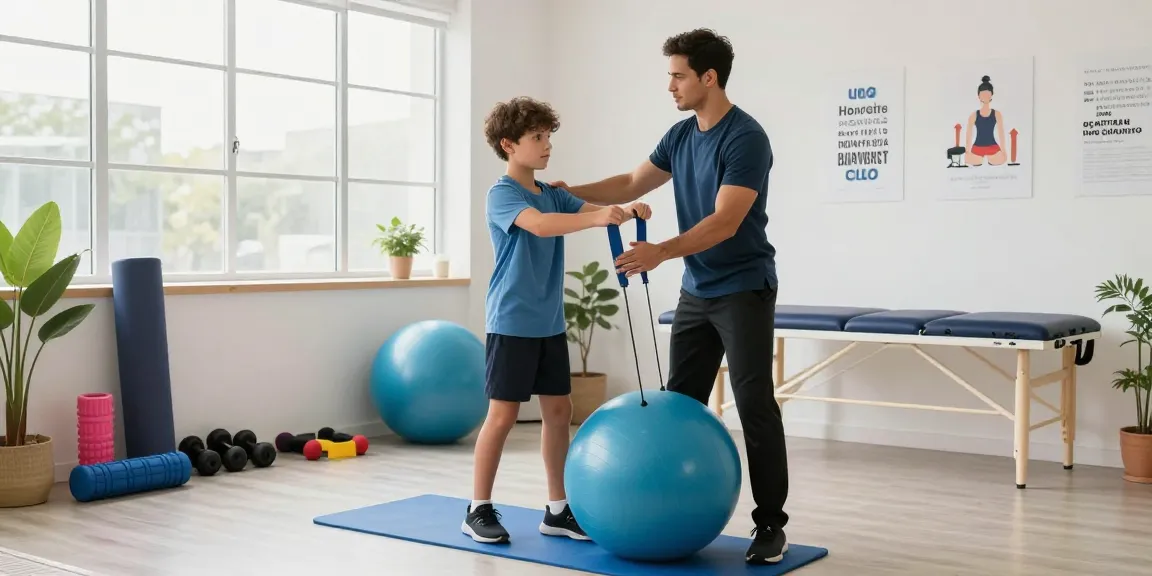
- Only elderly people need home health equipment: While many older adults utilize these tools, individuals of all ages may require assistance for various conditions or recovery from injuries.
- It’s only for long-term use: Many products are designed for short-term rehabilitation or recovery.
- All equipment is expensive: There are affordable options available that cater to different budgets.
Understanding these misconceptions is essential for making informed choices about home health equipment.
Types of Shoppers Home Health Equipment
Home health equipment can be categorized into several types to address different health needs. Familiarizing yourself with these categories will help streamline the selection process.
Mobility Aids: Navigating Your Environment
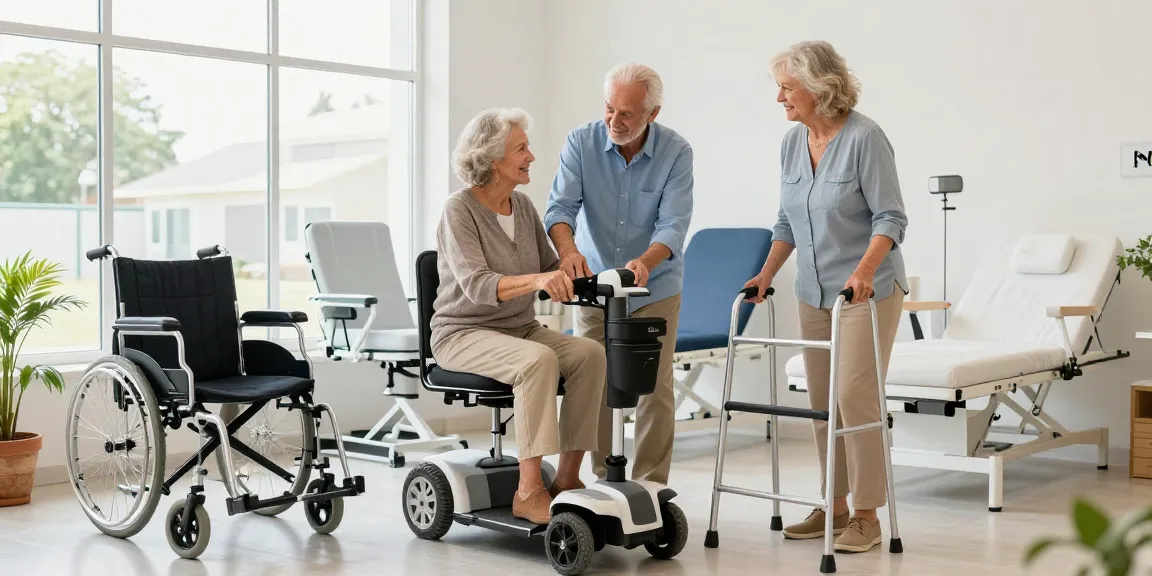
Mobility aids are essential for individuals who struggle with movement and stability. Common options include:
- Wheelchairs: Ideal for those unable to walk or who require assistance for longer distances.
- Walkers: Provide support for individuals needing extra stability when walking.
- Canes: Help enhance balance and stability.
- Transfer aids: Devices such as slide sheets or transfer boards assist in moving individuals safely.
Daily Living Aids: Enhancing Independence
Daily living aids assist individuals with routine tasks, promoting independence and dignity. Some examples include:
- Grab bars: Installed in bathrooms to assist with mobility and prevent falls.
- Adaptive utensils: Designed for those with limited hand dexterity.
- Shower chairs: Provide a safe option for bathing without the risk of falls.
Health Monitoring Devices: Keeping Track of Wellness
Health monitoring devices provide essential data about an individual’s health status. These include:
- Blood pressure monitors: Allow individuals to check their blood pressure at home.
- Glucose meters: Essential for diabetics to monitor blood sugar levels.
- Wearable fitness trackers: Help track activity levels and encourage healthy habits.
How to Evaluate Quality and Safety Standards
When purchasing home health equipment, safety and quality should be a top priority. Here’s how to evaluate these essential factors.
Recognizing Certification Labels
Certification labels can indicate that a product meets specific safety and quality standards. Look for certifications from reputable organizations such as:
- FDA (U.S. Food and Drug Administration)
- ISO (International Organization for Standardization)
- CE (Conformité Européenne)
These certifications ensure that the equipment has undergone rigorous testing for safety and efficacy.
Assessing Product Durability and Maintenance
Durability is crucial for home health equipment, as it impacts both performance and safety. Consider the materials used, user reviews, and warranty information to gauge longevity. Additionally, check maintenance requirements and ease of repairs, as these factors will influence long-term satisfaction with the product.
Best Practices for Safe Equipment Use
Proper usage of home health equipment is vital for maximizing its benefits:
- Follow the manufacturer’s instructions for setup and operation.
- Regularly monitor the condition of the equipment for wear and tear.
- Train users on how to properly utilize the equipment to prevent accidents.
Comparing Costs and Insurance Coverage
Understanding the financial aspects of home health equipment is critical for making informed decisions. Here are key considerations regarding costs and insurance coverage.
Understanding Pricing Variations in Home Health Equipment
The price of home health equipment can vary significantly based on factors such as brand, features, and technology. Conduct research and compare prices from multiple suppliers to ensure you’re getting the best value. Additionally, consider the long-term cost implications of choosing higher-quality, durable equipment versus cheaper alternatives that may need replacing sooner.
Insurance and Medicare Coverage Insights
Many insurance plans and Medicare may cover some home health equipment costs. It's important to verify your coverage options by:
- Contacting your insurance provider to clarify what equipment is covered.
- Requesting prior authorization if necessary for specific equipment.
- Understanding out-of-pocket costs, such as deductibles and copays.
Financing Options for Home Health Equipment Purchases
For individuals without insurance coverage or facing high out-of-pocket costs, several financing options might be available:
- Payment plans: Many suppliers offer financing options to spread costs over time.
- Health savings accounts (HSAs): Funds from HSAs can be used to purchase eligible equipment.
- Non-profit organizations: Certain organizations provide assistance or grants for required medical equipment.
Future Trends in Home Health Equipment
The home health equipment industry continues to evolve, influenced by technological advancements and shifting consumer needs. Staying informed about emerging trends can help you make proactive choices.
Innovative Technologies Shaping the Industry
Advancements in technology have led to the development of smart home health equipment. For instance, devices that connect to smartphones or tablets can provide real-time health monitoring and data analysis. These innovations enhance the user experience, allowing for more personalized care and efficient management of health conditions.
Shifting Consumer Preferences for Home Health Solutions
As more individuals seek comfort and autonomy, there's a growing preference for equipment that is stylish and blends seamlessly into home environments. Consumers are now looking for products that not only perform well but also align with their aesthetic preferences.
Expert Predictions for 2026 and Beyond
Experts predict that by 2026, the home health equipment market will further expand as the population ages and healthcare becomes increasingly consumer-driven. Innovations such as artificial intelligence and telehealth integration will likely play significant roles, making home health management more effective.
What Should You Consider When Selecting Equipment?
When selecting home health equipment, consider the following factors:
- The specific health condition and related needs
- Compatibility with existing therapies or treatments
- Ease of use for both the individual and caregivers
How Can You Ensure Ease of Use for Seniors?
To facilitate ease of use for seniors, prioritize equipment that is designed with simplicity in mind. Features such as large print instructions, intuitive controls, and ergonomic designs can make a significant difference in usability. Additionally, involve seniors in the selection process to ensure they feel comfortable and confident using the equipment.
What Steps Should You Take to Maintain Equipment?
Effective maintenance is key to prolonging the life of home health equipment:
- Regularly check for any signs of wear or malfunction.
- Follow the manufacturer's maintenance guidelines.
- Schedule professional servicing for complex equipment when needed.
By taking proactive steps, you can ensure safety and optimal performance of home health equipment over time.