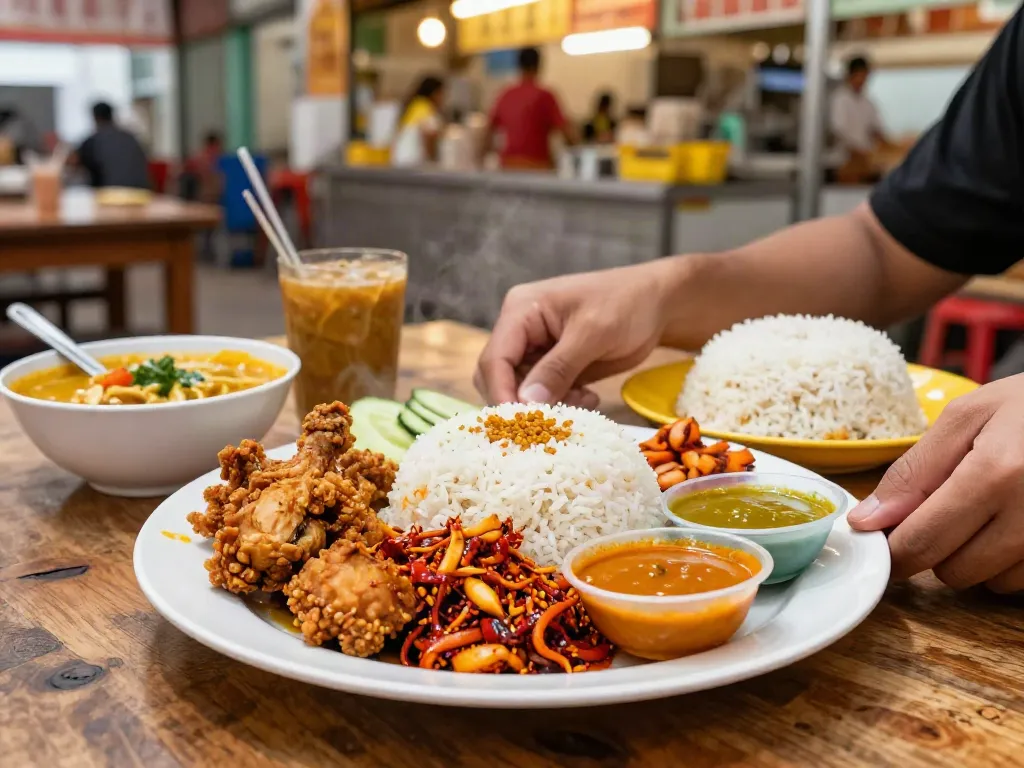
The Legacy of Nasi Kandar: A Cultural Insight
Nasi Kandar is not just a dish; it is a cultural phenomenon deeply intertwined with the history of Malaysia, particularly in the bustling streets of Penang. Known for its aromatic curries and a multitude of fresh ingredients, this beloved culinary staple reflects the rich tapestry of Malaysia's multicultural society. The dish's roots trace back to the 19th century when Indian Muslim traders introduced their culinary traditions to the region. Today, Nasi Kandar is a must-try experience for anyone visiting Malaysia. For those seeking to indulge in this culinary delight, rokok88 slot login offers a wealth of information about its vibrant food culture.
Historical Roots of Nasi Kandar
The term "Nasi Kandar" translates to "carried rice," a nod to the laborers who used to carry baskets of rice and dishes balanced on a pole over their shoulders. This method of serving meals allowed workers at the port of Penang to grab a substantial meal quickly before heading back to their demanding jobs. In its early days, Nasi Kandar consisted of simple ingredients: white rice, fish curry, fried fish, and okra. However, over the decades, the dish has evolved dramatically, incorporating a kaleidoscope of flavors and ingredients.
The Transformation into Modern Cuisine
What began as humble fare for fishermen and dock workers has transformed into an iconic dish that is available at eateries across Malaysia and beyond. The Nasi Kandar of today features a plethora of options, allowing diners to choose from various types of rice, meats, and an array of curries. The ritual of pouring multiple curries over the rice—a practice known as "banjir"—has become a central part of the experience, creating a vibrant visual and culinary masterpiece.
Regional Variations Across Malaysia
While Penang is renowned for its Nasi Kandar, each region in Malaysia brings its unique twist to the dish. In Kuala Lumpur, for instance, you may encounter a more urbanized version that includes international flavors and fusion elements. Conversely, in the northern regions, Nasi Kandar maintains closer ties to its traditional roots, emphasizing authenticity and the use of local spices. This diversity highlights Malaysia’s rich culinary landscape, making Nasi Kandar a dish that resonates with both locals and tourists.
Understanding the Nasi Kandar Experience
The experience of enjoying Nasi Kandar extends beyond just the flavors; it involves an engaging process that captures the essence of Malaysian dining culture. It is crucial to appreciate the presentation and method of consumption, which play significant roles in the overall experience.
The Importance of Presentation and Choice
When you enter a Nasi Kandar establishment, you are met with an eye-catching display of colorful dishes. The visual feast is just as important as the taste. Diners are encouraged to engage with the food by selecting their preferred ingredients and creating their personalized plate. This customizability ensures that every visit can offer a new and exciting taste experience.
Choosing Your Lauks: A Step-by-Step Guide
To fully enjoy your Nasi Kandar, knowing how to choose your lauk (side dishes) is essential. Here’s a simple step-by-step guide:
- Start with the base: Select either steamed white rice or fragrant biryani rice.
- Choose your proteins: Options often include fried chicken, squid in spicy sambal, prawns cooked in coconut milk, and lamb curry.
- Add vegetables: Common choices are fried eggplant, okra, or a tangy cucumber salad.
- Finish with the curries: Ask for a mix of different curries to pour over the rice, creating the irresistible "banjir" effect.
Signature Dishes You Must Try
Among the multitude of options available, certain dishes stand out for their unique flavors and preparation:
- Ayam Goreng Berempah: Marinated with a blend of spices and deep fried to perfection, this chicken dish is a favorite among fans of Nasi Kandar.
- Sotong Sambal: Tender squid cooked in a rich, spicy sambal sauce that offers a burst of flavor.
- Udang Masak Lemak: Prawns cooked in a creamy coconut milk gravy, perfectly balanced with a touch of tamarind.
- Terung Berlada: Fried eggplant topped with a spicy chili sauce that packs a punch.
- Ikan Kembung Goreng: Crispy fried mackerel fish that adds texture to your Nasi Kandar.
- Kari Kambing: Tender goat meat simmered in a deeply spiced curry, a must-have for any meat lover.
Cooking Techniques Behind Nasi Kandar
Understanding the cooking techniques that go into preparing Nasi Kandar will deepen your appreciation of this dish and its complex flavors. The authenticity of each ingredient plays a vital role in creating the dish’s ultimate flavor profile.
Fresh Ingredients: The Heart of Authenticity
The use of fresh ingredients is paramount in Nasi Kandar preparation. Markets across Malaysia offer a variety of produce and spices that are harvested daily. This freshness elevates the dishes and provides a genuine taste that represents the region’s culinary heritage.
Seasoning and Spice Mastery
Mastering the balance of spices is both an art and a science. Chefs often rely on recipes passed down through generations, with each chef adding their own flair to the blend. The signature taste of Nasi Kandar comes from spices such as turmeric, coriander, cumin, and fenugreek, which are often roasted to release their essential oils and aromas.
Cooking Methods That Enhance Flavor
The cooking methods utilized for Nasi Kandar dishes often include slow cooking, frying, and stewing. Each technique allows for the maximum infusion of flavors. For instance, slow-cooked curries develop deep, rich flavors that are irresistible when paired with the rice.
Why Banjir Style Matters
The "banjir" styling of serving Nasi Kandar is not merely a visual preference; it significantly impacts the taste dynamics of the dish. Each element combines to create a unique eating experience that can vary with each visit.
The Art of Mixing Curries
The art behind the banjir style is the careful selection and mixing of different curries. This blending technique allows for a harmony of flavors, where the spicy and creamy elements come together, making each spoonful a delightful surprise.
Understanding the Taste of Banjir
The taste of banjir is a complex interplay of flavor profiles. Diners often report that the experience is unlike any other meal, as the combination of various spices transcends individual components to create something truly spectacular.
How Banjir Style Elevates the Experience
Elevating the meal, the banjir style encourages diners to experiment with their taste preferences. The layering of flavors and textures ensures that each bite is a new experience, keeping you coming back for more.
Nasi Kandar in the Digital Age
As technology advances, so does the way we experience food. Nasi Kandar is no exception, with many restaurants adapting to modern trends by utilizing online platforms for ordering and delivery.
Online Ordering and Its Growing Popularity
The convenience of online ordering has made it easier than ever to enjoy Nasi Kandar from the comfort of your home. Customers can browse through menus, select their preferred items, and have them delivered to their doorstep, making traditional meals accessible in a fast-paced world.
Exploring Food Delivery Services
Various food delivery services have emerged in Malaysia, catering to the growing demand for convenient dining options. These platforms not only offer quick delivery but often feature promotions and discounts, making eating out more affordable.
Future Trends in Malaysian Cuisine for 2026
Looking ahead, we can expect the integration of technology and gastronomy to continue influencing the culinary landscape. As food enthusiasts seek unique dining experiences, traditional dishes like Nasi Kandar will likely adapt, incorporating sustainable practices and innovative cooking techniques.
What Makes Nasi Kandar Unique?
What sets Nasi Kandar apart from other rice dishes is its rich history, diverse flavor profiles, and customizable nature. It is a dish that embodies the spirit of Malaysian culture, fusing spices and traditions from different regions and ethnicities.
How to Enjoy Nasi Kandar at Home?
To replicate the Nasi Kandar experience at home, consider using a variety of recipes for different curries and side dishes. A personalized approach to assembling your plate allows you to experiment with flavors and discover your perfect combination.
Are There Vegetarian Options Available?
Absolutely! Many eateries now provide vegetarian versions of Nasi Kandar, including options such as vegetable curries, tofu dishes, and even flavorful chickpeas. The diversity of ingredients ensures that there is something for everyone.
What Are the Best Places to Try Nasi Kandar?
While many places serve Nasi Kandar, some stand out for their authenticity and flavors. Local favorites often include establishments that have been family-run for generations, where traditional recipes are cherished and preserved.
How to Pair Drinks with Nasi Kandar?
When it comes to beverage pairings, traditional drinks like teh tarik (pulled tea) or fresh coconut water complement the spices in Nasi Kandar beautifully. For those seeking something stronger, a light beer can balance the robust flavors of the meal.